Pricing
How prices work
Every card on Altworth shows one number: the Altworth Market Price. Here is where it comes from, and how sure we are about it.
How we price
We take pricing from multiple venues, geo-specific, then come up with confidence ranges for products. These are refreshed every 2 - 4 days depending on the amount of sales that product makes.
Know the price before you buy or sell
Every card carries the Altworth Market Price, the recorded sales behind it, and how sure we are
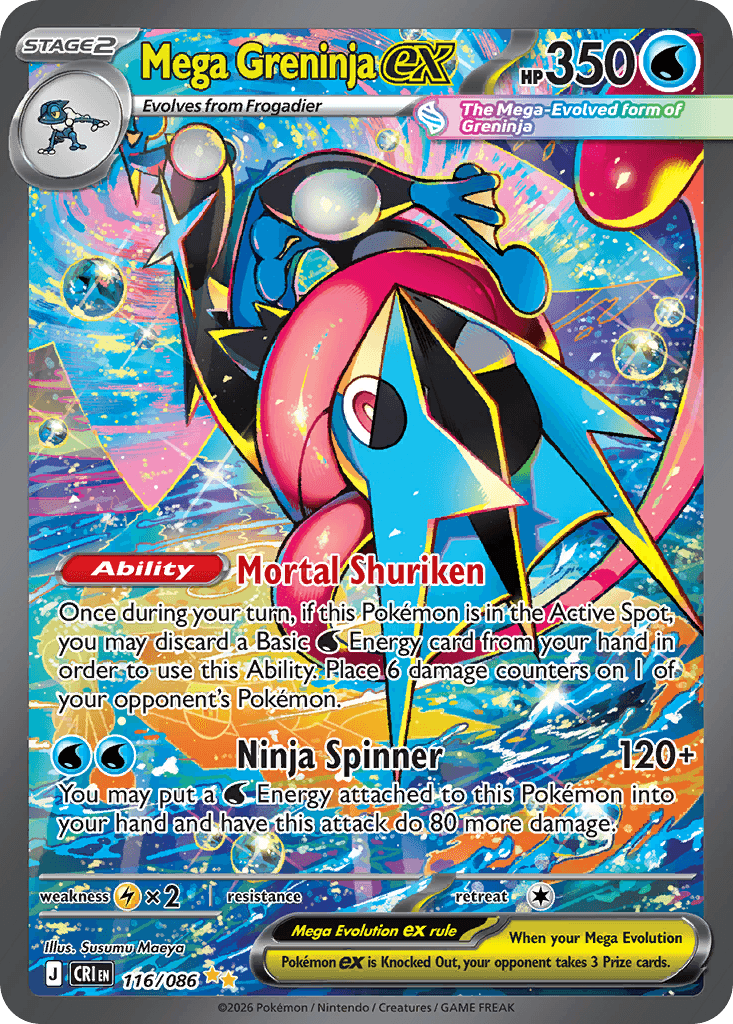
Example · Chaos Rising · 116
Mega Greninja ex
Raw · Near Mint

£154.08

- Range · middle 50% of sales
- Altworth Market Price
- Recorded sales
- Middle half of sales
- Altworth Market Price
- Sales
Example · price history over 90 days
What the chart shows
- Altworth Market Price
- The green line and the big number. Our price for this exact card, in this exact condition or grade.
- Range
- The shaded band. The middle half of recorded sales, so you can see where most sales land.
- Recorded sales
- The dots. Each one is a finished sale we matched to this card and grade.
Where the number comes from
We look at what cards like yours actually sold for. Not what people hoped to get, and not what we would like the card to be worth. Finished sales.
- Recorded sales
- Completed sales of the same card in the same grade, collected from the sites collectors already buy and sell on. Auctions and buy-it-now both count.
- Sales on Altworth
- When a card sells here, that sale counts too. It is the cleanest evidence we have, because we held the card and we handled the money.
- Asking prices, as a fallback
- If a card has not sold recently, we look at what sellers are currently asking. That is weaker evidence, so we say so on the price itself.
What counts, and what does not
A sale has to match the card and the grade before it counts. A PSA 9 sale never sets the price of a PSA 10, and a holo never sets the price of a non-holo. Raw cards are priced by condition, and PSA, BGS, CGC and ACE slabs each have their own price, because each grade is its own market.
If we have no evidence for a card, we show no price. We would rather show you nothing than a number we cannot stand behind.
How sure we are
A jewel sits beside every price, so you always know how much evidence is behind it.
- Very sure
- Plenty of recent sales, and they agree with each other.
- Sure
- Enough recent sales to go on, with an ordinary spread between them.
- Fairly sure
- Only a few sales, or the last one is getting old, so the range around the price is wider.
- Less sure
- The last sale is more than 30 days old, or the price was worked out from best offers or from what the card sells for in other conditions. Treat the price as a starting point, not a settled number.
- Not enough data
- We do not have enough evidence yet to say how sure we are about this price.


Price guide pages also say how fresh the evidence is:
- Live
- At least three sales in the last seven days. The price is current.
- Recent
- At least three sales in the last 90 days, but none in the last week. The price is sound, just not fresh.
- Estimate
- Not enough sales to go on, so the price is worked out from what sellers are asking.
If a price looks wrong
Prices move and data goes stale. If a number looks wrong to you, tell us and we will check it. We read every message.
See a price for yourself
Search any card, set or sealed product and check its price before you buy or sell.